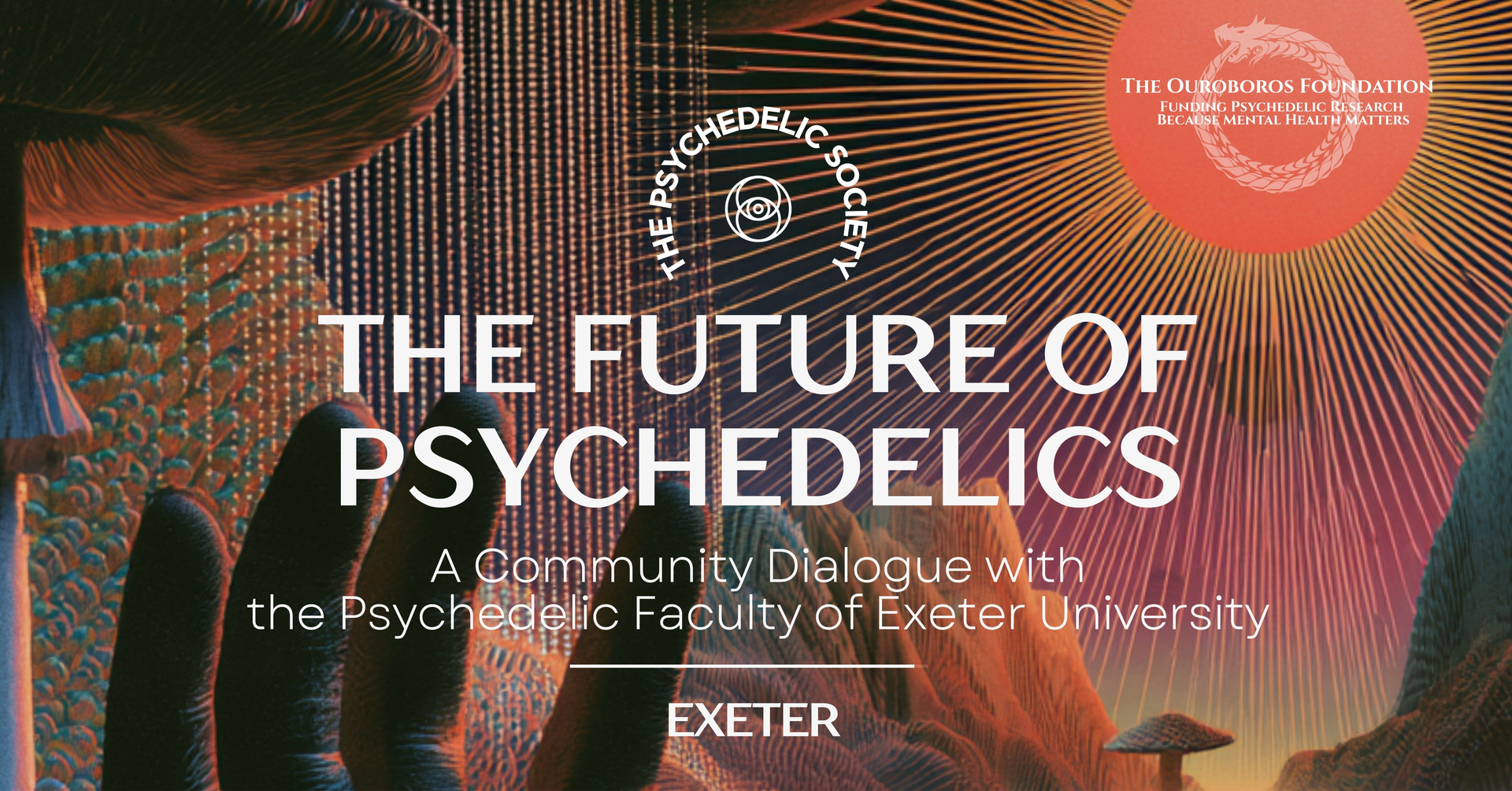
The Future of Psychedelics Community Dialogue with the Psychedelic Faculty of Exeter University
| Nov 19 |
Thu 19th Nov 2026
7pm – 9pm GMT (UTC +00:00)
|

|
Exeter Phoenix, Gandy Street, Bradninch, Place, Exeter, UK |

|
https://dandelion.events/e/q8fl8 |
| Promoted by |
 The Psychedelic Society
|
| Local group | South West |
| Facilitators |
|
| Facebook event | |
| Add to calendar | Google · ICS |
| QR code |

|
Community Dialogue on the Future of Psychedelics
The Psychedelic Society and The Ouroboros Foundation invite you to an evening of focused inquiry and open community dialogue with the psychedelic faculty of Exeter University. This panel offers a rare public conversation on the future of psychedelic research in the UK — scientifically, culturally, therapeutically, and ethically.
We will also introduce the Exeter Psychedelic Interdisciplinary Centre (EPIC), a new academic initiative bridging neuroscience, psychiatry, philosophy, anthropology, ecology, and the arts. This event provides the first public glimpse into EPIC’s direction, ambitions, and emerging research landscape.
Topics we’ll explore
- What the next decade of psychedelic science may look like in the UK
- How EPIC could shape national psychedelic research and policy
- The role of interdisciplinary collaboration in understanding psychedelic experience
- How universities can balance scientific rigour with public interest, cultural sensitivity, and ethical responsibility
What to expect
- A facilitated panel discussion
- Open Q&A with attendees
- Space for community dialogue and reflection
This gathering brings academia and community together — illuminating the possibilities, tensions, and transformative potential of psychedelics in the years ahead.
Join us for an evening of insight, connection, and thoughtful conversation.
About EPIC
The Exeter Psychedelic Interdisciplinary Centre (EPIC) is a pioneering research and teaching hub exploring psychedelics across mind, medicine, and culture. Bringing together neuroscience, psychiatry, philosophy, anthropology, ecology, and lived‑experience perspectives, EPIC examines how psychedelic experiences can inform personal, social, and ecological wellbeing.
EPIC’s work sits deliberately between disciplines and worldviews — bridging scientific inquiry with cultural understanding, ethical reflection, and community engagement. Through its postgraduate programmes, research collaborations, and public events, EPIC is shaping a new generation of thinkers and practitioners committed to exploring psychedelics with rigour, sensitivity, and imagination.
Our Guests

Dr Peter Sjöstedt-Hughes is a philosopher of mind and metaphysics whose work explores consciousness, altered states, and the nature of reality through thinkers such as Whitehead, Spinoza, Nietzsche, and Bergson. His research spans panpsychism, pantheism, mental causation, and the philosophical implications of psychedelic experience.
He is a lecturer at the University of Exeter and a lead educator on the MSc Psychedelics: Mind, Medicine, and Culture, where he brings philosophical depth to contemporary psychedelic studies. Peter is co‑director of Breaking Convention, Europe’s largest psychedelics conference, and serves on advisory boards including DrugScience, Dreamshadow, the Tyringham Institute, and Psychedelic Press.
He is also the founder of the Mind at Large Project, which advances public understanding of consciousness and psychedelic philosophy. His work sits at the intersection of metaphysics, culture, and the psychedelic renaissance, offering rigorous yet accessible insights into how psychedelics challenge and expand our models of mind.
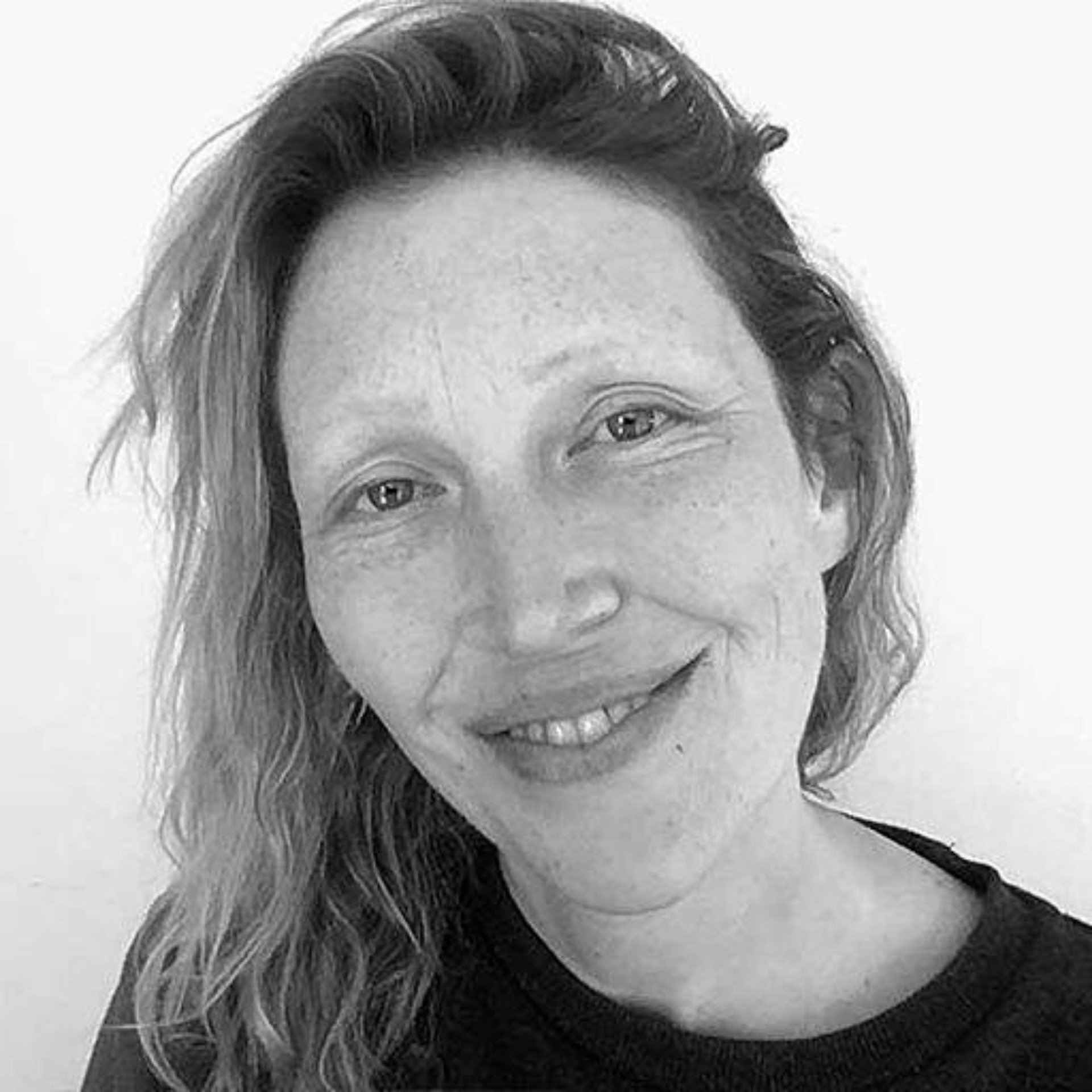
Celia Morgan is Professor of Psychopharmacology at the University of Exeter and co‑founder of the Exeter Psychedelics Interdisciplinary Centre. Her research focuses on how context shapes the effects of psychedelic and dissociative medicines, with particular emphasis on ketamine‑assisted therapy for addiction. She has led major clinical studies examining how childhood adversity, deprivation, and behavioural patterns influence vulnerability and treatment outcomes.
Her work spans behavioural research, cognitive testing, qualitative interviews, experience sampling, and advanced neuroimaging methods. She has conducted large clinical trials combining psychological therapy with controlled administration of psychoactive substances in the treatment of addiction.
She is widely recognised for advancing interdisciplinary, context‑aware psychedelic science and for her leadership in developing safe, evidence‑based therapeutic frameworks.
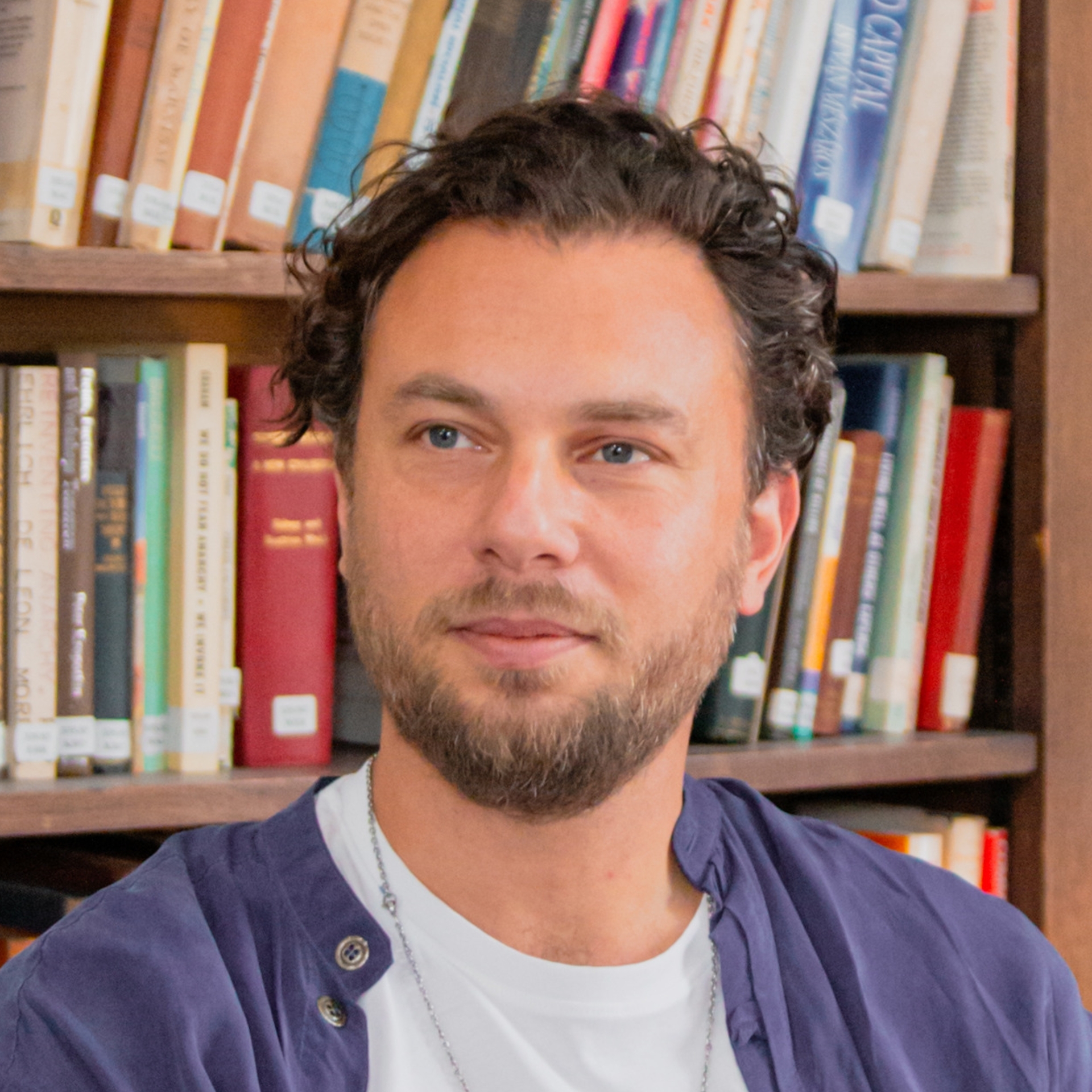
Dr. Leor Roseman is a Senior Lecturer and psychedelic researcher at the Exeter Psychedelic Interdisciplinary Centre (EPIC), where his work bridges neuroscience, psychology, phenomenology, anthropology, and conflict studies. His research explores how psychedelics shape social connection, group bonding, communitas, and collective experience — and how these processes influence cultural, political, and peacebuilding contexts.
He is the founder of Ripples, a non‑profit developing psychedelic peacebuilding initiatives with Israeli and Palestinian activists, informed by his long‑term ethnographic and phenomenological research. Before joining EPIC, he spent a decade at Imperial College London’s Centre for Psychedelic Research, contributing to foundational work on neural network dynamics, psychedelic imagery, and the therapeutic mechanisms of peak, breakthrough, and communitas experiences.
His current projects examine how psychedelic movements emerge, how revelatory experiences ripple into social and political change, and how interdisciplinary methods — from fMRI to microphenomenology — can deepen our understanding of psychedelic mind, medicine, and culture.
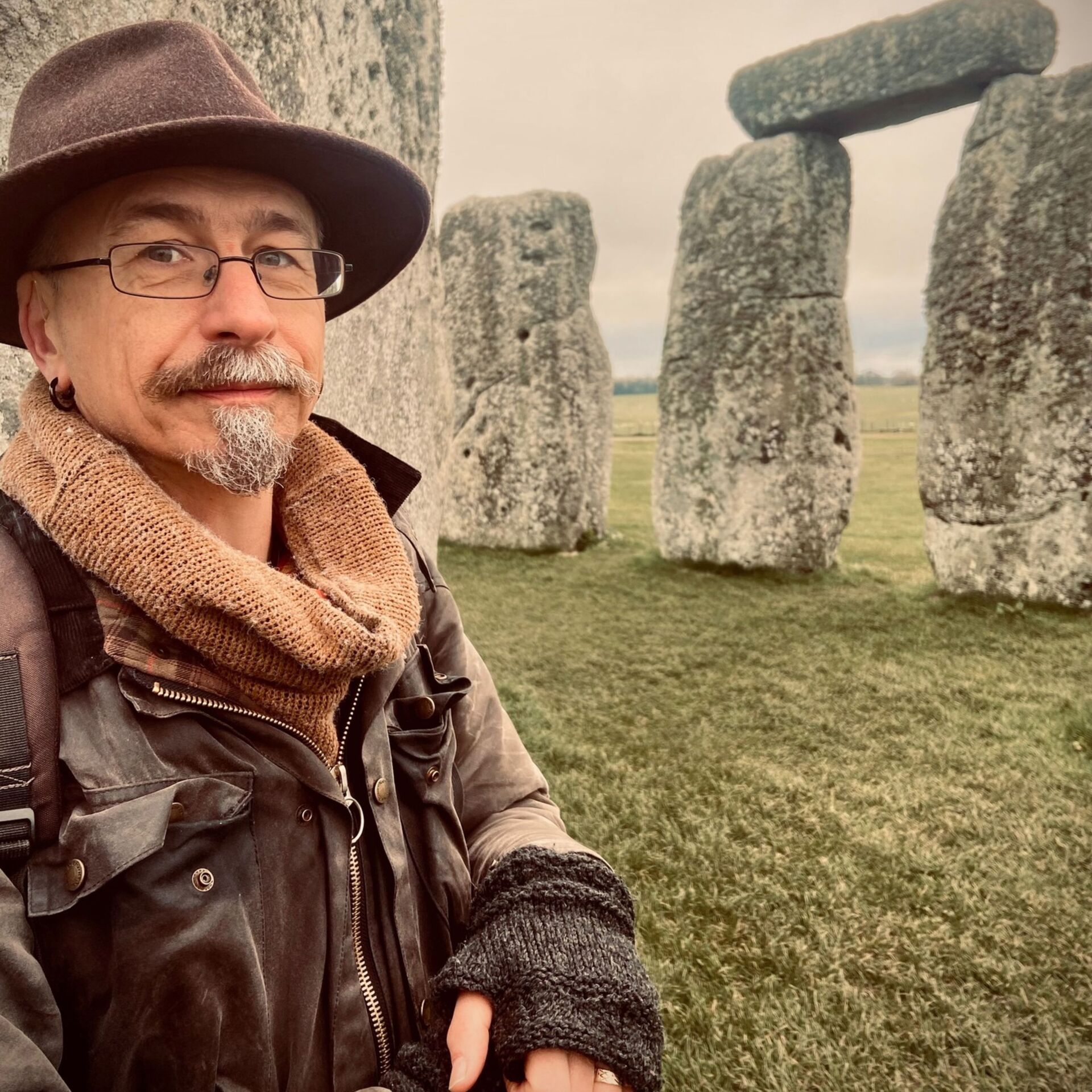
Dr. Andy Letcher is Programme Director for the PGCert and MSc Psychedelics: Mind, Medicine, and Culture at the University of Exeter. An ecologist turned scholar of religion, his work explores how psychedelic experiences are shaped by spirituality, ritual, animism, and the wider nonhuman world. He specialises in the critical and psychological study of “dark green” religions — including Paganism, shamanism, contemporary animisms, and emerging psychedelic spiritualities.
He is the author of Shroom: A Cultural History of the Magic Mushroom and has published widely on psychedelic mysticism, ritualised mushroom use, and the cultural meanings that shape psychedelic experience. His recent research focuses on contemporary Druids and the evolving spiritual ecologies surrounding psychedelics.
Before joining Exeter, he taught at Schumacher College, where he created and led the MA Engaged Ecology, and previously lectured at Oxford Brookes and Bath Spa University. His interdisciplinary work brings together ecology, religious studies, psychology, and cultural analysis to illuminate how psychedelics transform meaning, belief, and relationship with the more‑than‑human world.

Dr Anjali Bhat is a neuroscientist and psychotherapist whose work investigates the neural correlates of psychedelic experiences and the therapeutic potential of psychedelic‑assisted treatments for psychiatric and autoimmune conditions. Taking an interdisciplinary, mixed‑methods approach — spanning neuroimaging, experience sampling, computational modelling, and epigenetics — her research builds a multilevel understanding of how psychedelics such as LSD influence brain, body, and mind.
She lectures on the MSc Psychedelics: Mind, Medicine, and Culture at the University of Exeter, bringing expertise from her doctoral training in Neuroscience and Mental Health at University College London, where she specialised in computational neuroscience, neuroimmunology, and psychosis under the mentorship of Karl Friston.
Dr Bhat’s work sits at the intersection of cognitive science, cellular neuroscience, and psychotherapy, contributing to emerging models of how psychedelic experiences unfold and how they may support healing across diverse clinical populations.
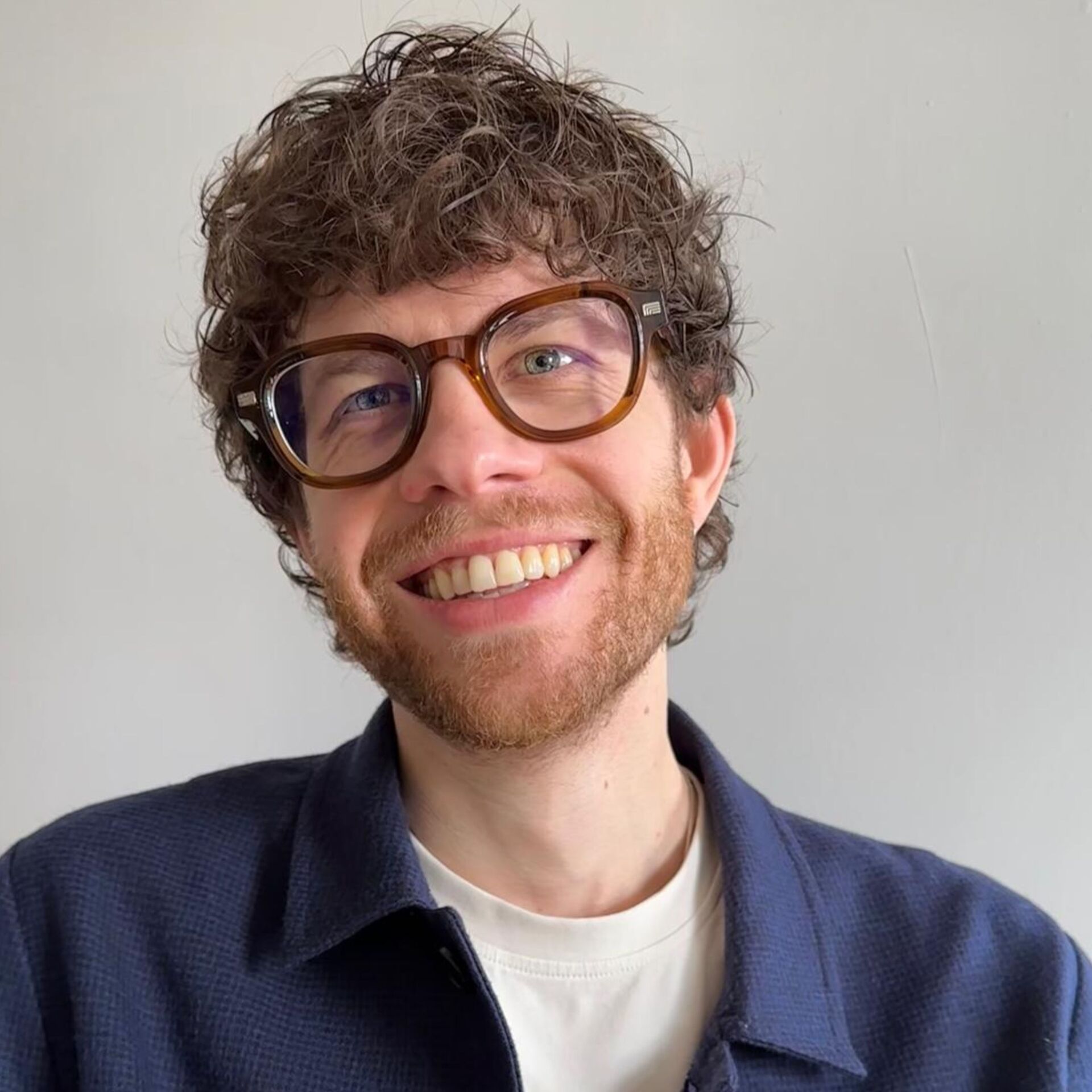
Dr. Simon Ruffell is a Lecturer in Psychology and Psychedelics at the University of Exeter. He trained in psychiatry as a medical doctor and holds a PhD in research psychology examining ayahuasca use and mental health in Amazonian contexts. His research explores psychedelic-assisted interventions, psychological integration processes, and the cultural and ethical dimensions of plant medicine use.
Alongside his academic training, he has undertaken long-term study of Shipibo-Konibo healing practices in the Peruvian Amazon. This experience informs his work on decolonial and culturally responsive approaches to psychology, with particular attention to how Indigenous knowledge systems conceptualise mental health, healing, and relational wellbeing.
His work draws on clinical, qualitative, and interdisciplinary methods to examine the interface between Western psychiatry and Indigenous medical systems. His research activity includes collaborative projects with academic institutions, non-profit partners, and Indigenous-led organisations exploring naturalistic ayahuasca use and the translation of emerging evidence into clinically, culturally, and ethically informed frameworks.
Meet your Facilitators
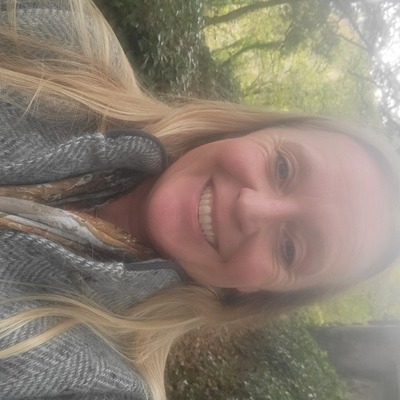
Zephyr Wood is the South West UK Events Coordinator for the Psychedelic Society and a director of The Ouroboros Foundation, working at the intersection of community engagement, psychedelic culture, and contemporary mental‑health discourse. She completed her BSc in Sustainable Development at the University of Wales, Bangor, and is a graduate of Exeter University’s inaugural Postgraduate Certificate in Psychedelics: Mind, Medicine, and Culture, awarded with distinction.
Her academic interests focus on animism and panpsychism as frameworks for understanding consciousness, relationality, and human–environment connections. Zephyr contributes to emerging interdisciplinary conversations in psychedelic studies by foregrounding cultural context, ecological awareness, and community‑rooted approaches to mental‑health innovation.
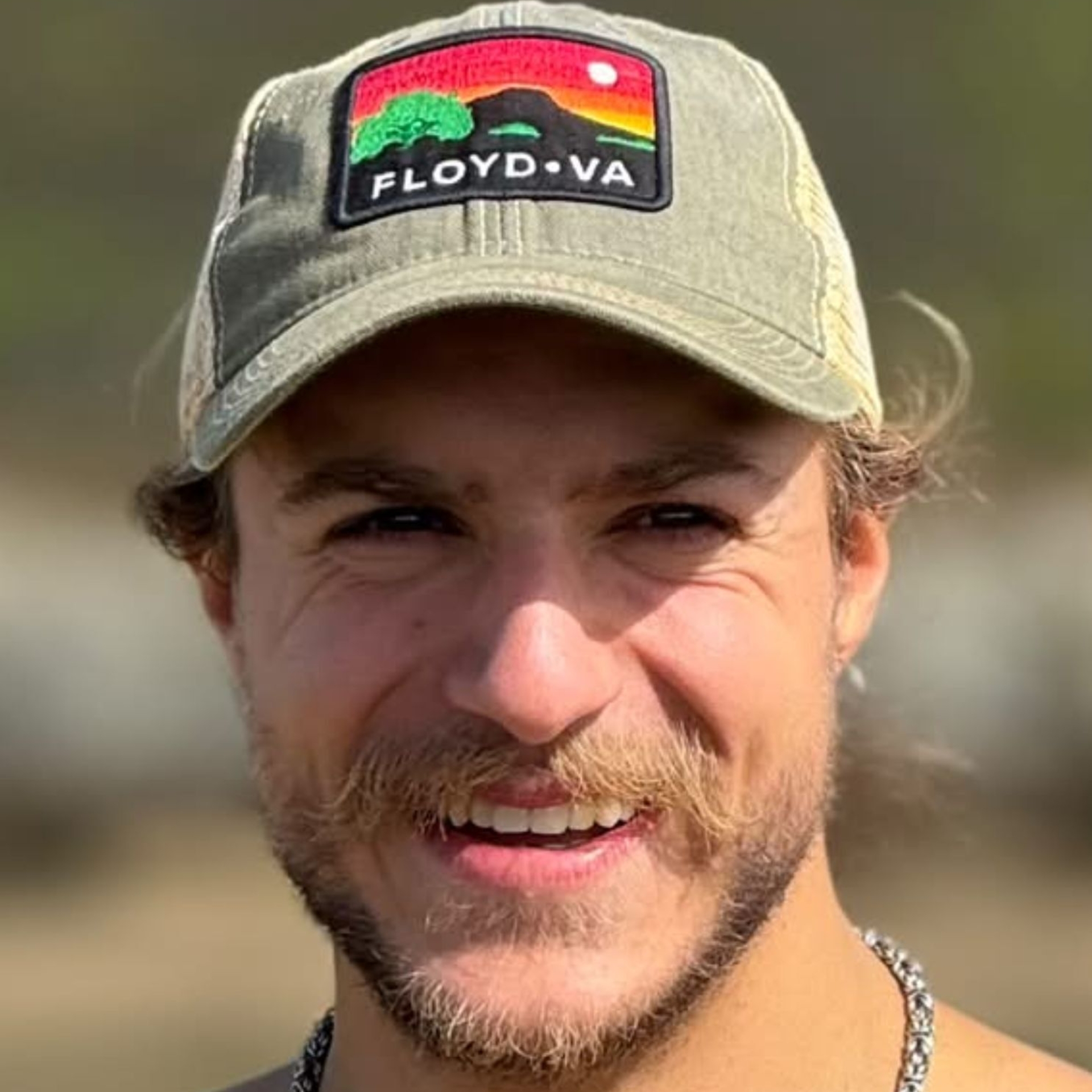
Sam Gedhill completed his Bachelor’s degree in Economics at the University of Oxford and is currently pursuing his MSc at the University of Exeter, where his research explores how neurodiversity shapes and influences the psychedelic experience. He is a Grofian breathwork–trained facilitator and serves as a Breathwork Ambassador for Ouroboros Wellness, supporting community wellbeing through integrative breathwork practice.
The Evening
- 19:00: Doors open
- 19:30: Welcome & introduction
- 19:35: Panel discussion begins
- 20:15: Live conversation & Q&A with EPIC faculty
- 20:50: Closing
- 21:00: Event end
The Venue
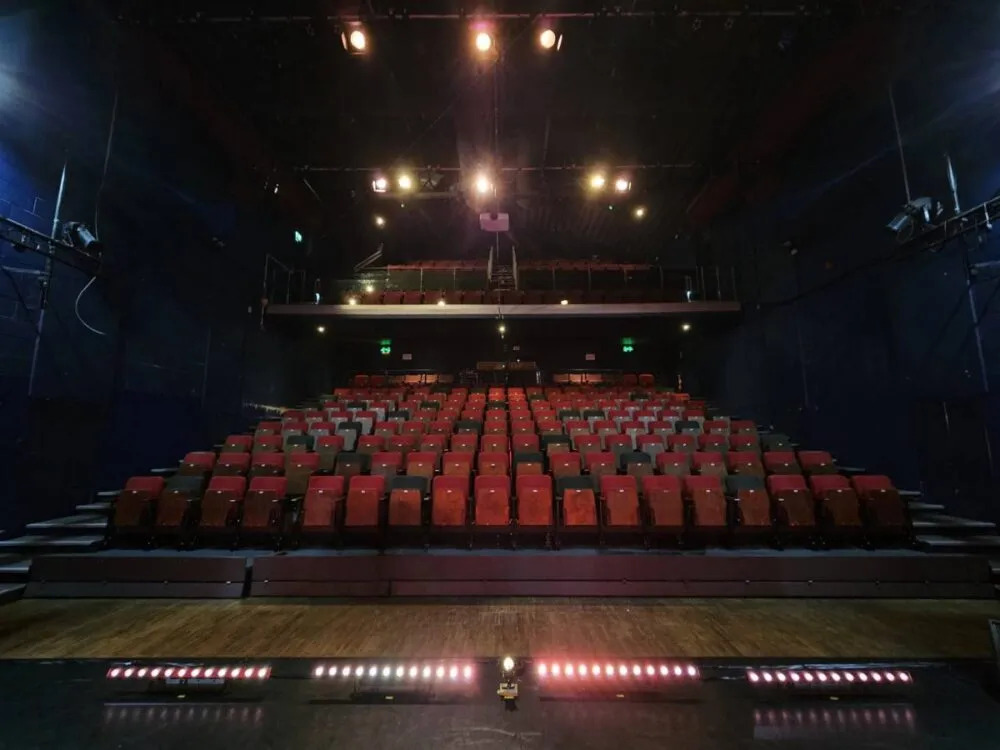
Exeter Phoenix - Gandy St, Bradninch, Place, Exeter EX4 3LS
About the Psychedelic Society
The Psychedelic Society creates welcoming, transformative spaces for connection, community, and conscious exploration. Their events blend storytelling, guided conversations, nature connection, and embodied practices to help people meet openly and authentically. Through gatherings hosted on Dandelion, they bring people together to explore creativity, intimacy, and the living world in a safe, inclusive, and playful way.
About the Ouroboros Project
The Ouroboros Foundation is a UK non‑profit building a community‑rooted base for independent psychedelic mental‑health research. The Foundation supports work beyond clinical‑trial models and outside corporatised spaces, nurturing diverse, justice‑focused projects grounded in collective wellbeing.
This discussion is part of Ouroboros’ community‑building journey. By bringing researchers, practitioners, and community members together, the event helps seed future independent psychedelic research and strengthens the collaborative ecosystem surrounding the Exeter Psychedelic Interdisciplinary Centre (EPIC).
Through dialogue, shared inquiry, and collective intention, we aim to support a more accessible, culturally sensitive, and community‑led future for psychedelic research in the UK. We build community. Join us.
REFUNDS POLICY: Please note, we do not arrange refunds or exchanges. When possible we encourage reselling on Ticketswap.
ACCESS: We do our best to include everyone in our events, regardless of health circumstances. If you have access requirements please email the event organiser directly to discuss. Many facilitators are able to offer reduced ticket prices for those truly unable to afford the ticket price. If this applies to you, do please get in touch with the event organiser.
For PSYCHEDELIC KNOWLEDGE AND RESOURCES please check out the Psychedelic Society website.
Our facilitators have agreed to our code of conduct. Learn about our procedure for raising concerns
MEMBERS of the Psychedelic Society get a discount off almost all of our events.
Join from £5 a month and become part of this amazing community with invites to special events and more.
Select Tickets
|
Reserve your place for this panel discussion. |
|
Thank you for reserving your place. |